I’m currently working with a studio whose game doesn’t even have a demo yet, and it got me thinking about a question people ask me all the time: when’s the right moment to start marketing your game?
I get why it sounds weird, especially when you’re thinking about hiring a marketing specialist while your game is still nowhere near generating revenue. But here’s the first uncomfortable truth of this post: the stage of your game isn’t what matters. What matters is how committed the people behind it actually are.
The story always wins
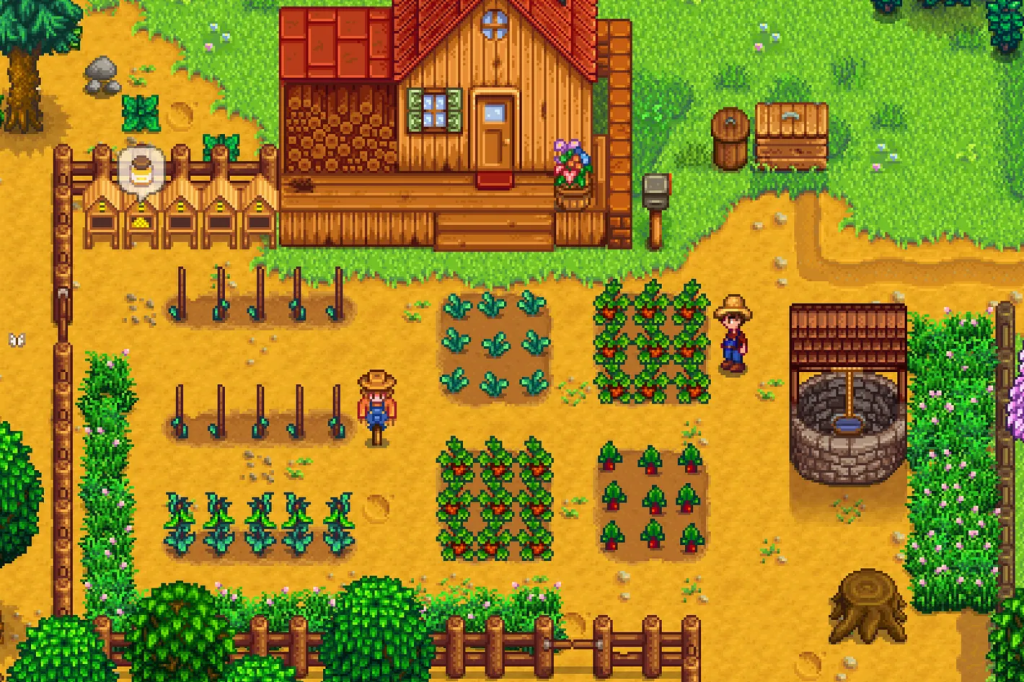
In the indie world, every title can tell a story, and that’s pure gold. Take Stardew Valley. ConcernedApe was incredibly transparent from the start about what the original idea was and how it grew over the years. Development took a long time, sure, but the way he talked about his passion, his drive to make an almost perfect game, and how he compared it to other big-console titles already out there, built real empathy. Not just with other developers, but with the players who’d eventually buy the game.
Heads up though, I’m saying this from a pretty niche point of view. A ton of gamers don’t even know platforms like Reddit exist, where developers go and talk about their process and their problems. But for studios, what should matter most isn’t just selling more, it’s selling without letting your creativity get compromised by pressures that sometimes make you lose sight of what gamers actually enjoy.
The 6-month rule (if it’s your first game)
Back to the main point: if you ask me about a first game, and the experts say this too, it shouldn’t take more than 6 months of work before you start marketing it seriously.
It’s your first game. People don’t know your studio, they don’t know who you are, and you don’t have a reputation to lean on when you launch. Now, if someone on your team already worked on successful titles at other companies, that rule shifts a bit. But if you’re starting from zero, 6 months is the perfect amount of time to work on something you don’t even know is going to land yet. Because you have to be willing to accept that your first game probably won’t hit, but you also have to be ready to already be working on the next one.
What those 6 months actually look like
- Months 1-2: Talk about the idea. What you want to capture, what the core mechanics are. Art should be the last thing you communicate, because gamers care about why they should spend their time on your game and how it’s different from what’s already out there. That shows up in the gameplay, not in a pretty concept art piece.
- Months 3-4: Start signaling that you’re actually working on this for real. Ideally you already have your Steam page live, with a demo coming soon. This is where it’s key to already know when the next Steam Next Fest is, because it’s one of the best doors for building your wishlist. Not the only one, but one of the strongest.
- Months 5-6: If you’re aligning with a Steam Next Fest, this is when you squeeze every channel you can: festivals, events (in-person or virtual, there are tons of virtual ones), and start validating in front of real streamers.
What if you go past 6 months?
It happens, and it’s not the end of the world. If you can see you’re going to run over, wait for the next Steam Next Fest instead and use that in-between stretch to keep signing up for as many gaming events as you can. The goal stays the same: build noise and, above all, validate that your idea or your game’s current state is actually ready for bigger channels, whether that’s a Steam Next Fest or streamers in front of mid-size communities (or full-on million-follower communities, if you want to go big).
That said, I wouldn’t take that jump without real validation that your game is actually ready. Use this window first to squeeze it for everything it’s worth by making changes.
The last 2 months: it’s not about polish, it’s about closing
If you’re aligning with a Steam Next Fest after the 6-month mark, you’ve reached what I’d call the final stage. By now you have a demo solid enough for thousands of people to play. Pretty much all that’s left is finishing a few levels, not polishing mechanics: the game already has everything that sets it apart from other games, it already has all its must-haves. Over time you’ll start noticing what would be great for a second update, but don’t stress about that yet. Focus first on your game’s differentiator, the basics, and once that’s covered, you’re ready to launch.
(How to specifically prep for a Steam Next Fest is a whole post on its own, so I owe you that one. But the general idea is: by the time the festival rolls around, you should’ve already shown up at several events, already gotten in front of streamers, and already have people playing and showing off your game. The goal is that when Next Fest arrives, people just find you, recognize you, and add you to their wishlist.)
Why this matters before you hire an agency
I’m not going to tell you to hire me the moment an idea pops into your head. The real question is: how long are we going to keep talking about an idea on paper, and how long before it’s an idea in code?
Whether you’re a full team or a solo dev, what matters is staying committed to your timeline and ready to tell a story that doesn’t stall out at the same point. This matters most once you start investing money in a marketing agency, because that investment should ideally keep moving toward a launch. Imagine spending an entire year talking about an idea that hasn’t even been conceptualized yet. A year of investment in any kind of service is real money, and not a small amount.
Before you message me, answer this
You don’t need to hire me to know if you’re ready. Answer these four questions first:
- When are you actually starting development?
- When are you going to start talking about moving through festivals?
- When’s the earliest you could realistically launch into a Steam Next Fest?
- When are you going to validate?
If all four have a date, or at least a clear sense of when they will, you’re ready to start marketing. If you drew a blank on two or more, that’s your homework before you spend a single dollar on promotion, whether it’s with me or with anyone else.
And yeah, technically, the longer it takes you to get that clarity, the more months of agency work you end up paying for. But I’d take a client who shows up late but did the work a thousand times over a client who hires me with the idea still stuck in their head and disappears two months later because the budget didn’t stretch far enough.
Thanks for reading this post. Remember that at my game marketing agency we test every channel and do all the heavy lifting, so you can focus purely on developing, developing, and making your game perfect.